Checking Out the Necessary Applications and Use Light Weight Aluminum Factory in Modern Production
Light weight aluminum foundries play an essential function in modern production, offering varied industries with their one-of-a-kind properties. From automobile parts that enhance fuel performance to aerospace frameworks that prioritize weight, aluminum's convenience appears. Its applications expand to construction and customer electronic devices, highlighting its sturdiness and power effectiveness. Nevertheless, the innovations in light weight aluminum casting strategies and future trends necessitate a closer examination, as they may redefine its effect on manufacturing.
The Function of Aluminum Foundries in Automotive Production
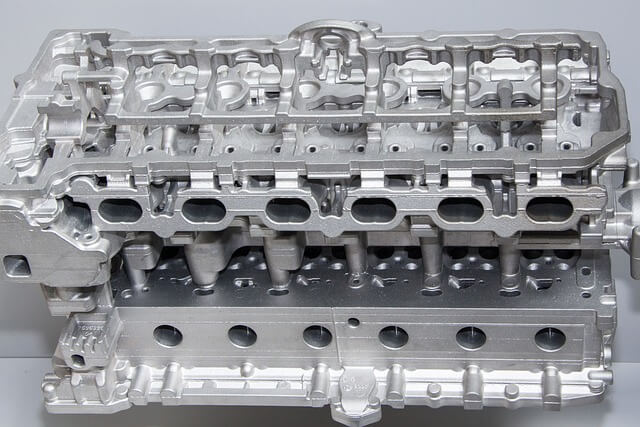
As the automobile industry significantly prioritizes lightweight products to boost fuel efficiency and efficiency, aluminum shops have ended up being important factors to making processes. These foundries concentrate on producing elements that satisfy the rigorous demands of modern-day vehicles, such as engine blocks, transmission real estates, and architectural aspects. Light weight aluminum's desirable residential properties-- such as high strength-to-weight ratio, deterioration resistance, and outstanding thermal conductivity-- make it an optimal option for vehicle applications.
Aluminum factories utilize sophisticated casting methods, including die spreading and sand spreading, to develop resilient and elaborate components. This capacity permits suppliers to optimize layouts for performance while decreasing weight. Making use of aluminum additionally sustains sustainability goals, as it is extremely recyclable and reduces power usage in cars. By facilitating the combination of aluminum into automobile layout, foundries play a pivotal role in shaping the future of the automobile industry, advertising effectiveness and technology across the board.
Aerospace Applications: Lightweight Solutions for Trip
Aluminum foundries play a considerable duty in the aerospace industry, where the need for light-weight products is vital for enhancing gas efficiency and performance in airplane. The unique residential properties of aluminum, including its high strength-to-weight proportion and corrosion resistance, make it a perfect selection for numerous aerospace parts. These components include architectural components, engine housings, and landing gear, which add to total aircraft performance.
Using aluminum alloys, especially those established through advanced spreading methods, enables the production of detailed styles and complicated shapes while decreasing weight. Furthermore, light weight aluminum's recyclability lines up with the aerospace industry's sustainability objectives, minimizing ecological influence. With continuous innovations in light weight aluminum factory technologies, manufacturers can maximize production procedures, leading to boosted efficiency and minimized costs. As the aerospace market significantly prioritizes innovations that boost performance, light weight aluminum foundries will certainly remain essential to establishing light-weight services for modern-day flight.
Building and Building And Construction: Enhancing Structural Honesty
In the building and building and construction market, a substantial focus is put on boosting architectural honesty through using light weight aluminum. Understood for its high strength-to-weight proportion, aluminum provides longevity without jeopardizing on weight, which is vital in modern-day building designs. Its resistance to deterioration additionally assures durability, making it a perfect material for various architectural elements, consisting of light beams, frameworks, and cladding.
Aluminum also promotes cutting-edge layout possibilities, allowing designers and engineers to develop aesthetically pleasing structures while keeping security standards. The product's versatility allows its application in both domestic and business projects, from high-rise buildings to bridges. Additionally, innovations in aluminum factory methods have actually improved the accuracy of light weight aluminum parts, guaranteeing they fulfill rigorous building codes. Generally, the integration of aluminum in building and construction not just boosts architectural honesty yet also adds to sustainable building methods, given its recyclability and energy-efficient production approaches.
Customer Electronic Devices: The Increase of Aluminum in Innovation
In the domain of customer electronic devices, aluminum has gotten prestige because of its lightweight style benefits and premium thermal conductivity. This shift not just boosts product transportability yet also enhances device efficiency by efficiently dissipating warmth. As modern technology proceeds to evolve, the function of light weight aluminum in producing smooth and effective gadgets is progressively substantial.
Light-weight Layout Benefits
As customer electronics advance, the demand for light-weight yet durable products has actually surged, making aluminum a significantly preferred option among producers. Its reduced density enables the development of sleek tools that are easy to use and carry, significantly boosting transportability. The strength-to-weight ratio of light weight aluminum assurances that items can stand up to day-to-day damage without compromising performance. In addition, the malleability of aluminum allows producers to create complex forms and forms, additionally adding to cutting-edge visual appeals and capability. This lightweight characteristic additionally plays a necessary function in energy performance, as lighter tools need less power to operate. Consequently, aluminum not just fulfills the evolving visual needs but additionally lines up with the contemporary focus on sustainability in consumer electronics.
Thermal Conductivity Perks
Thermal conductivity is a critical consider the performance of consumer electronic devices, and aluminum master this domain. Its high thermal conductivity enables for reliable heat dissipation, which is vital for keeping optimum operating temperature levels in gadgets such as smartphones, laptop computers, and gaming consoles. By facilitating rapid heat move away from delicate elements, light weight aluminum assists prevent overheating, thus boosting efficiency and extending device long life. Moreover, the lightweight nature of aluminum matches its thermal homes, making it an optimal selection for portable modern technology. As manufacturers progressively focus on efficiency and energy efficiency, aluminum's duty in thermal monitoring ends up being much more significant, resulting in its expanding adoption in contemporary digital layouts. This fad highlights light weight aluminum's significance in customer electronics development.
Marine Sector: Corrosion Resistance in Harsh Settings
Deterioration resistance is a critical consider the aquatic market, where tools and frameworks are routinely subjected to harsh deep sea environments. Light weight aluminum, specifically in its alloy kinds, uses considerable benefits hereof. Its natural oxide layer gives a protective barrier that avoids rust, making it perfect for vessels, anchors, and other marine applications.
Marine-grade aluminum alloys, such as 5083 and 6061, are especially created to withstand the destructive results of deep sea and weather. These alloys not just resist rust however likewise maintain architectural integrity and toughness with Check This Out time. Applications range from hulls and superstructures of ships to parts in offshore platforms.
The light-weight nature of light weight aluminum further improves its viability, allowing boosted gas performance and ease of handling - aluminum casting company. As the aquatic market remains to concentrate on sturdiness and performance, aluminum continues to be an important material selection for resisting deterioration sought after aquatic settings
Developments in Aluminum Spreading Techniques
While conventional light weight aluminum casting approaches have actually served the industry well, recent technologies are changing the landscape of aluminum manufacturing. Techniques such as 3D printing of cores and molds are gaining traction, permitting fast prototyping and minimized lead times. This innovation enables suppliers to develop intricate geometries that were formerly hard to accomplish with traditional casting techniques. Additionally, innovations in die-casting innovation, including the use of high-pressure die-casting (HPDC), have actually enhanced the precision and surface finish of cast light weight aluminum components, leading to improved performance in different applications.
The fostering of investment spreading has permitted for greater style freedom and reduced material waste. Technologies in alloy make-ups are additionally substantial, as they boost mechanical residential properties and deterioration resistance. On the whole, these advancements not only improve manufacturing processes however also add to more lasting techniques within the aluminum foundry market, making it adaptable to the evolving needs of modern manufacturing
Future Trends in Aluminum Shop Manufacturing
The future of light weight aluminum foundry manufacturing is positioned for significant improvement with automation, enhancing efficiency and precision in manufacturing procedures. Sustainable techniques are increasingly coming to be a priority, as factories seek to lessen their environmental impact while meeting growing regulative demands. In addition, developments in alloy growth will certainly enable the development of stronger, lighter materials customized for diverse applications, driving development in the industry.
Automation in Shop Processes
Lasting Manufacturing Practices
An expanding emphasis on lasting manufacturing practices is improving the future of aluminum foundry manufacturing. Industry leaders are increasingly adopting energy-efficient technologies and recycling efforts to lessen waste and lower carbon impacts. Using recycled light weight aluminum significantly reduces power usage compared to key light weight aluminum manufacturing, making it a preferred option for eco conscious makers. Furthermore, innovative spreading techniques are being established to improve material performance and decrease exhausts. Learn More Here Companies are likewise buying sustainable energy sources, such as solar and wind, to power their procedures sustainably. Aluminum Casting. By incorporating these practices, the aluminum factory market not just meets regulatory demands however also reacts to consumer demand for greener products, eventually leading the way for an extra sustainable production landscape
Advanced Alloy Development
Developments in aluminum alloy growth are set to play a substantial function in the future of shop manufacturing, particularly as sustainability and efficiency needs rise. The market is increasingly concentrating on developing high-strength, lightweight alloys that can withstand extreme problems while lessening ecological effect. Researchers are discovering cutting-edge make-ups, such as aluminum-lithium and aluminum-scandium alloys, which assure boosted mechanical residential properties and minimized weight. Furthermore, the integration of advanced production strategies, consisting of additive manufacturing and accuracy spreading, permits more complex geometries and decreased material waste. As regulatory pressures and customer preferences change towards greener alternatives, the growth of energy-efficient and recyclable alloys will be essential. The future landscape of light weight aluminum shop production copyrights on these developments in alloy modern technology.

Frequently Asked Concerns
What Are the Ecological Impacts of Light Weight Aluminum Factory Procedures?
Aluminum factory operations can lead to considerable ecological effects, including greenhouse gas exhausts, power intake, and waste generation. In addition, improper administration of pollutants may result in dirt and water contamination, influencing local ecological communities and areas.
How Does Aluminum Recycling Affect Factory Processes?
Light weight aluminum reusing boosts factory procedures by offering a cost-efficient basic material, decreasing power intake and discharges. This sustainable practice boosts effectiveness, minimizes waste, and sustains the circular economy, profiting both producers and the environment.
What Precaution Are Applied in Aluminum Foundries?
Aluminum foundries implement various safety procedures, including read here personal safety devices, correct air flow systems, regular security training, fire avoidance procedures, and equipment upkeep procedures to decrease hazards and ensure a secure functioning atmosphere for all employees.
How Do Foundries Guarantee High Quality Control in Aluminum Spreading?
Foundries ensure quality assurance in light weight aluminum casting via strenuous material evaluations, specific temperature level tracking, standardized procedures, and normal screening of cast items. These measures assist maintain consistency, lower defects, and satisfy market requirements successfully.
What Are the Price Aspects in Light Weight Aluminum Shop Manufacturing?
Expense elements in aluminum foundry manufacturing include raw material rates, energy intake, labor prices, equipment maintenance, and overhead expenditures. In addition, manufacturing quantity and complexity of styles considerably affect general manufacturing prices and profitability.
As the vehicle industry progressively prioritizes lightweight products to improve fuel performance and performance, aluminum shops have actually ended up being necessary factors to manufacturing procedures. Aluminum foundries play a significant function in the aerospace sector, where the need for light-weight products is paramount for improving fuel performance and performance in airplane. Additionally, improvements in aluminum factory methods have improved the precision of aluminum components, guaranteeing they fulfill rigid building codes. While typical light weight aluminum casting approaches have actually offered the market well, recent technologies are changing the landscape of light weight aluminum manufacturing. The use of recycled aluminum substantially lowers energy usage contrasted to key aluminum manufacturing, making it a recommended choice for ecologically conscious suppliers.
Comments on “Aluminum Casting and its role in sustainable manufacturing”